
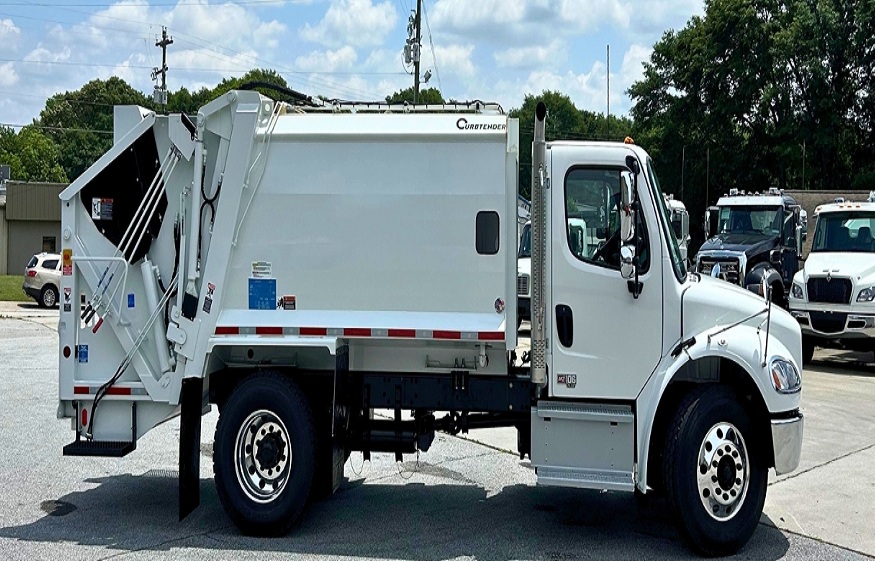
Fleet productivity is an important factor in the success of waste management companies. Businesses responsible for residential, commercial, and municipal waste collection need dependable vehicles that can handle demanding schedules and operate efficiently throughout the day. Poor vehicle performance, unexpected repairs, and inefficient collection routes can increase operating expenses and affect customer satisfaction. McNeilus refuse trucks provide different configurations designed for waste collection applications, helping businesses select equipment that matches their operational requirements.
The Importance of Fleet Productivity
Fleet productivity refers to how effectively a company uses its vehicles, employees, and available resources to complete daily collection activities. Waste management companies must coordinate collection schedules, vehicle assignments, maintenance procedures, and disposal operations.
A productive fleet requires vehicles that match the demands of individual routes. Businesses should consider the amount of waste collected, the number of daily stops, road conditions, and container types before assigning trucks.
McNeilus refuse trucks offer different configurations that support various collection methods. Selecting suitable equipment can help companies organize their operations and improve the use of available vehicles.
Selecting the Right Truck Configuration
Different waste collection routes require different vehicle arrangements. Residential collection often involves frequent stops and smaller containers, while commercial operations may require equipment designed for larger containers and heavier waste volumes.
Companies handling residential waste may consider rear loader refuse trucks because their loading arrangement can support different collection environments. Front loaders are commonly used for commercial container collection, while automated side loaders can support compatible curbside collection systems.
Choosing the appropriate McNeilus configuration helps fleet managers match vehicle capabilities with collection requirements. It also allows businesses to organize routes more effectively and avoid assigning unsuitable equipment to demanding operations.
Improving Daily Collection Efficiency
Efficient collection routes help companies complete more work while managing fuel consumption and employee schedules. Route planning should consider traffic conditions, container locations, road accessibility, and disposal facility distances.
Read More : Rear Loader Capacity Guide: Sizes and Specifications
McNeilus refuse trucks can support different collection methods through their available body and loading configurations. Fleet managers should assign vehicles according to their operating capabilities and monitor performance regularly.
Businesses can also review collection records to identify routes that require excessive time or repeated disposal trips. Adjusting vehicle assignments and collection schedules may help improve overall fleet productivity.
Reducing Vehicle Downtime
Unexpected mechanical problems can reduce fleet productivity and disrupt collection schedules. When a refuse truck becomes unavailable, other vehicles may need to handle additional work.
Preventive maintenance is one of the most effective ways to reduce avoidable downtime. Maintenance teams should inspect hydraulic systems, brakes, tires, electrical components, and loading equipment according to manufacturer recommendations.
Companies operating rear loader refuse trucks should pay particular attention to the condition of rear loading mechanisms, compaction equipment, and related hydraulic components.
Maintaining accurate service records helps technicians identify recurring issues and plan repairs before they affect daily operations.
Improving Operator Performance
Drivers and collection crews have an important influence on fleet productivity. Employees who understand vehicle controls, loading procedures, and safety requirements can perform their responsibilities more efficiently.
Companies should provide training for operators working with different McNeilus truck configurations. Training should include pre-trip inspections, safe loading procedures, equipment limitations, and emergency response practices.
Comfortable operating conditions and accessible controls can also support employee performance. Managers should encourage drivers to report unusual sounds, warning indicators, and equipment problems promptly.
Managing Maintenance and Replacement Components
Reliable maintenance support is essential for keeping commercial refuse trucks available. Components experience normal wear because of repeated loading cycles, heavy materials, and extended operating hours.
Maintenance teams should establish a process for identifying and ordering compatible replacement components. Accurate vehicle information and part numbers help reduce ordering mistakes.
Businesses operating rear loader refuse trucks should monitor frequently used components and maintain suitable service schedules for their loading systems.
Ten-8 Industrial is part of the McNeilus independent dealership network and provides refuse and recycling vehicle sales, parts, maintenance, and service support in Alabama, Florida, Georgia, and Mississippi. Businesses within its service territory can evaluate its support options when planning fleet maintenance.
Monitoring Fuel Consumption and Operating Costs
Fuel is a major expense for waste management companies. Vehicles that operate through residential neighborhoods may experience frequent stops, starts, and changes in driving conditions.
Fleet managers should monitor fuel consumption and compare performance across different vehicles. Proper tire maintenance, timely servicing, and efficient route planning can help control unnecessary fuel expenses.
Companies should also evaluate how vehicle capacity affects collection schedules. A suitable truck configuration may help reduce unnecessary trips to disposal facilities and improve the use of available resources.
Using Technology for Better Fleet Management
Modern fleet management can involve vehicle monitoring systems, cameras, telematics, and other technology. Depending on the installed equipment, these systems may provide information about vehicle performance, location, and maintenance requirements.
Businesses should evaluate technology according to their operational needs and budget. Larger fleets may benefit from monitoring systems that help managers coordinate vehicles and identify maintenance concerns.
Technology is most effective when companies establish clear procedures for reviewing information and using it to improve daily decisions.
Planning for Future Fleet Growth
Waste management businesses may expand their services as residential populations and commercial developments increase. Fleet managers should regularly evaluate whether their existing vehicles can handle future collection requirements.
Companies using rear loader refuse trucks should consider whether their current loading arrangements, vehicle capacities, and route assignments remain suitable as operations grow.
Planning ahead allows businesses to budget for additional equipment, replacement vehicles, and maintenance resources. It also helps managers avoid unnecessary pressure on existing trucks.
Conclusion
McNeilus refuse trucks can help waste management companies improve fleet productivity through different vehicle configurations, practical collection arrangements, and equipment options for various operating environments. However, productivity also depends on route planning, operator training, preventive maintenance, and effective fleet management.
Read More : Is Your Nissan Note Engine About to Fail Its June 2026 MOT Test?
Businesses should select suitable vehicles, monitor operating costs, and maintain access to compatible replacement components. With proper planning and support from experienced providers such as Ten-8 Industrial, waste management companies can improve vehicle availability and maintain more efficient collection operations.





Leave a Reply
You must be logged in to post a comment.