
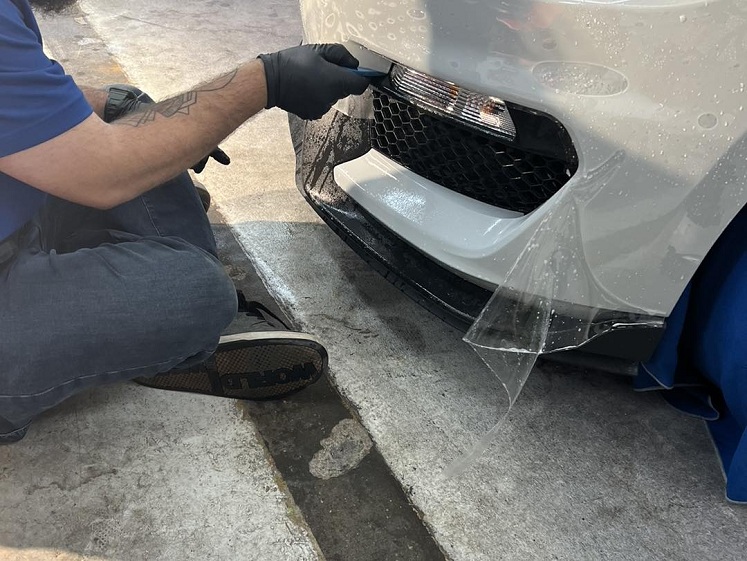
Owning a vehicle in the Tar Heel State requires more than just standard maintenance; it demands a strategy to combat a specific, often aggressive environment. From the humid coastline to the winding mountain roads, North Carolina presents a distinct combination of atmospheric and physical challenges that degrade automotive finishes. While standard waxes and sealants offer temporary respite, modern technology has introduced a more permanent solution: hydrophobic Paint Protection Film (PPF).
This isn’t just about preventing scratches. The “hydrophobic” aspect—literally meaning “water-fearing”—refers to a specialized top coat applied to high-quality films. This chemical layer alters the surface tension of the vehicle, creating a barrier that repels water, oils, and contaminants at a molecular level. For drivers in this region, this technology addresses six persistent issues that can ruin a car’s aesthetic and resale value.
1. The Annual Pollen Accumulation
Every spring, North Carolina undergoes a transformation where everything from driveways to windshields gets coated in a thick layer of yellow pine dust. This pollen is not merely an eyesore; it is abrasive and, when mixed with morning dew, becomes a sticky paste that bonds to clear coats.
Standard automotive paint has microscopic peaks and valleys where these particles settle. Hydrophobic PPF creates a hyper-smooth surface with high surface tension. Instead of gripping the paint, the pollen sits loosely on top of the film. A simple rinse or a burst of air from highway driving is often enough to dislodge the majority of the buildup. For residents tired of washing their cars daily during April, this slick surface significantly reduces the labor required to keep a vehicle looking presentable.
2. Chemical Etching from Insect Splatter
The humidity in the South supports a thriving insect population. During warmer months, a drive down I-40 often results in a front bumper plastered with organic debris. The internal fluids of insects are highly acidic. If left on factory clear coat, these fluids break down the finish within hours, leading to permanent etching that looks like water spots but cannot be polished out.
Hydrophobic film acts as a chemical resistant shield. The top coat prevents these acidic compounds from penetrating the film’s pores. Because the surface is slick, the debris struggles to bond. When you do wash the vehicle, the splatter wipes away with minimal agitation, preventing the need for harsh scrubbing that could induce swirl marks. When researching paint protection film Winston Salem NC, it is vital to verify that the installer uses film with these specific acid-resistant properties.
3. The Red Clay Staining Hazard
Construction zones and rural roads throughout the Piedmont region expose vehicles to the area’s signature red clay. Unlike standard dirt, red clay contains iron oxide, which acts as a powerful dying agent. On porous surfaces, this clay can leave a faint, reddish hue that is notoriously difficult to remove from white or light-colored vehicles.
The hydrophobic barrier on modern films seals the surface against this type of mineral contamination. The mud may dry on the car, but it cannot penetrate the substrate. This is particularly relevant for truck and SUV owners who might encounter unpaved driveways. The film ensures that the red stain washes off completely, leaving the underlying color true and bright.
4. Water Spotting and Acid Rain
Summer afternoons in North Carolina frequently bring sudden, intense thunderstorms followed immediately by baking sun. This cycle is the primary cause of water spotting. Rainwater collects pollutants from the air, and when these droplets evaporate on a hot hood, they leave behind concentrated mineral deposits.
Hydrophobic PPF changes the contact angle of water droplets. Instead of pooling and flattening out, water beads up into tight spheres and rolls off the surface using gravity. This “self-cleaning” effect means there is less water left on the car to evaporate, thereby reducing the opportunity for mineral deposits to form. While no surface is entirely immune to water spots, a hydrophobic layer makes them significantly easier to remove during a maintenance wash.
5. Road Salts and Winter Brine
While North Carolina does not experience the severe winters of the Northeast, the state’s Department of Transportation is aggressive about pre-treating roads with brine and salt at the forecast of ice. This salt spray is corrosive and clings to lower rocker panels and fenders.
A high-quality installation using reputable materials, such as 3M paint protection film, provides a sacrificial barrier between these corrosive elements and the vehicle’s metal and paint. The hydrophobic quality prevents the salty slush from caking onto the surface heavily. It allows owners to easily pressure wash the salt away without it having established a corrosive bond with the vehicle’s actual finish.
6. Premature Clear Coat Failure (Oxidation)
UV exposure is a silent destroyer of automotive value. The combination of intense UV rays and environmental contaminants accelerates oxidation, causing the clear coat to peel or fade—a condition frequently seen on older vehicles parked outside.
Hydrophobic paint protection film near me includes UV inhibitors that protect the underlying paint from fading, but the hydrophobic top layer plays a secondary role here. By keeping the surface cleaner and free of bonded contaminants (like bird droppings or tree sap), the film prevents localized hot spots where damage often begins. This helps maintain the vehicle’s showroom shine for years rather than months.
Evaluating the Investment
For many car owners, the decision comes down to longevity and ease of ownership. When you search for PPF, you are likely looking for a way to stop worrying about every storm or road trip. The initial outlay for this protection is an investment in the vehicle’s future condition.
Understanding the paint protection film cost Winston Salem NC requires looking at the avoided costs: paint correction, repainting, and the depreciation hit from a car that looks weathered. The hydrophobic properties reduce the need for waxing and frequent professional detailing, offering a return on investment through time saved and value retained.
Choosing the right installer is just as critical as the film itself. There are several paint protection film companies in Winston Salem NC, but the application of hydrophobic film requires precision to ensure no lift lines or bubbles disrupt the surface tension. A professional installation ensures that the film performs as intended, shedding water and debris effectively while remaining virtually invisible to the naked eye.
Final Thoughts
By addressing these six specific environmental challenges, hydrophobic PPF allows North Carolina drivers to enjoy their vehicles without the constant anxiety of paint degradation. It transforms the paint from a delicate surface into a resilient shield, capable of handling everything the local climate throws its way.







Leave a Reply
You must be logged in to post a comment.